


2-6 level Puzzle Type
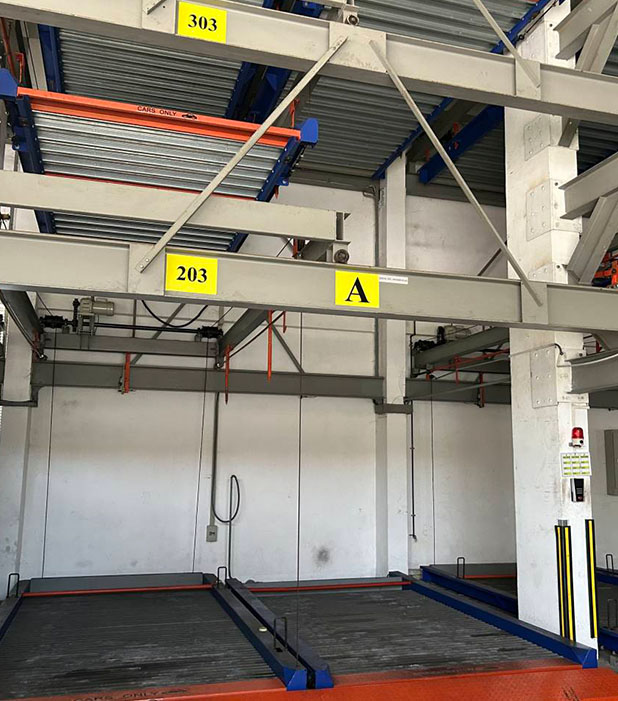
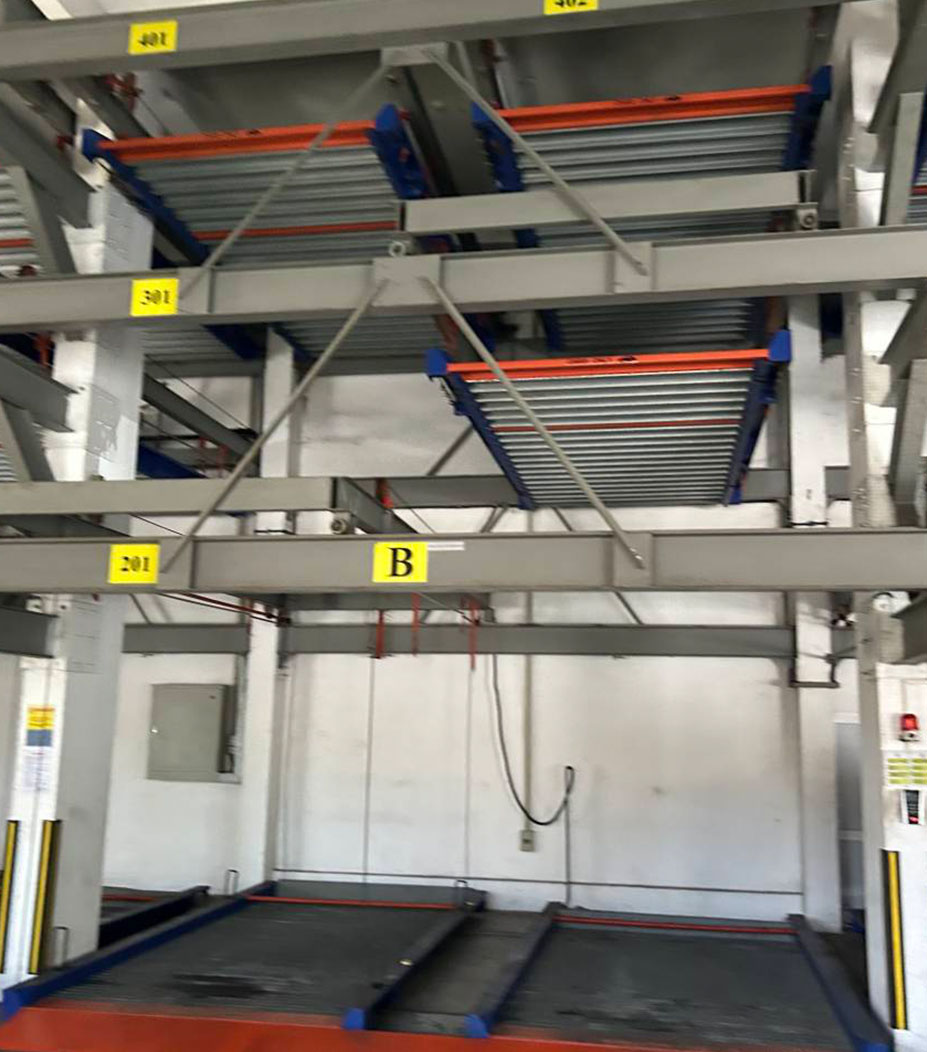
This puzzle parking system provides multiple above-ground parking levels. It is an ideal solution for locations where excavation is not feasible, offering a fast, cost-effective way to maximize parking capacity.
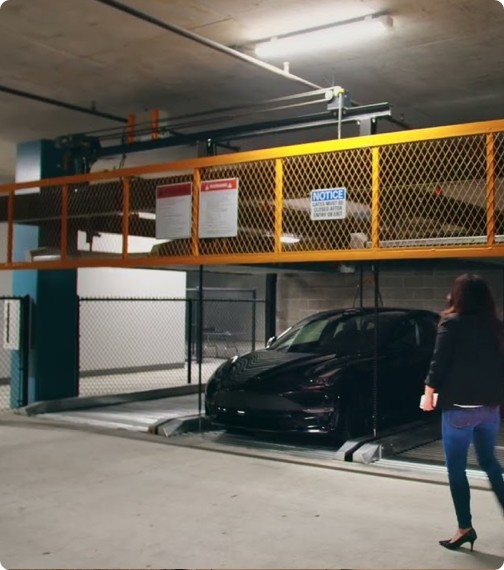
Cherish’s Puzzle is a semi-automated parking system that provides independent access for every space, without an attendant. It can be configured up to 6 levels, with optional pits and tandem layouts.
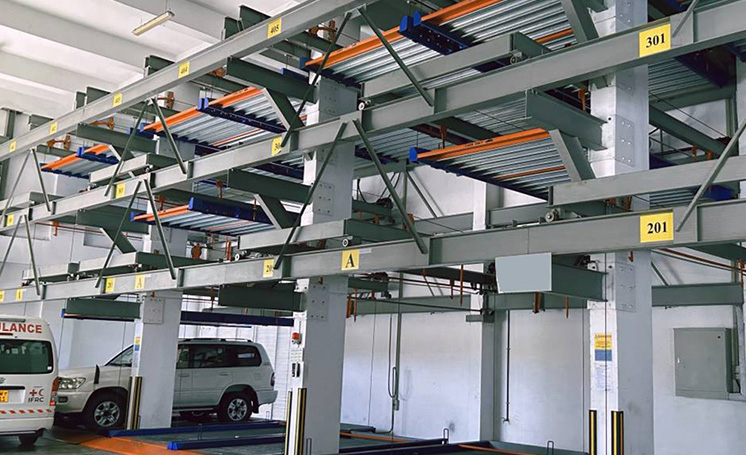
This puzzle parking system provides multiple above-ground parking levels. It is an ideal solution for locations where excavation is not feasible, offering a fast, cost-effective way to maximize parking capacity.
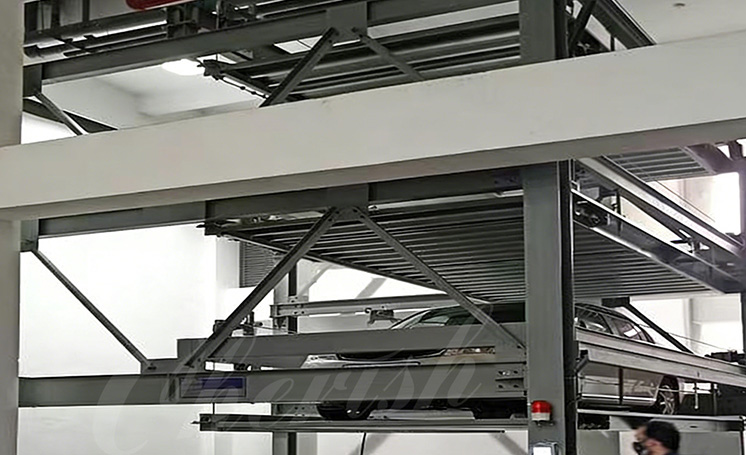
The puzzle parking system with a pit provides independent access to each level. The lower level is below ground, allowing upper platforms to be lowered to ground level for easy access. Ideal for buildings with height restrictions, it can add 2 to 20 extra parking spaces depending on the pit depth and platform width.
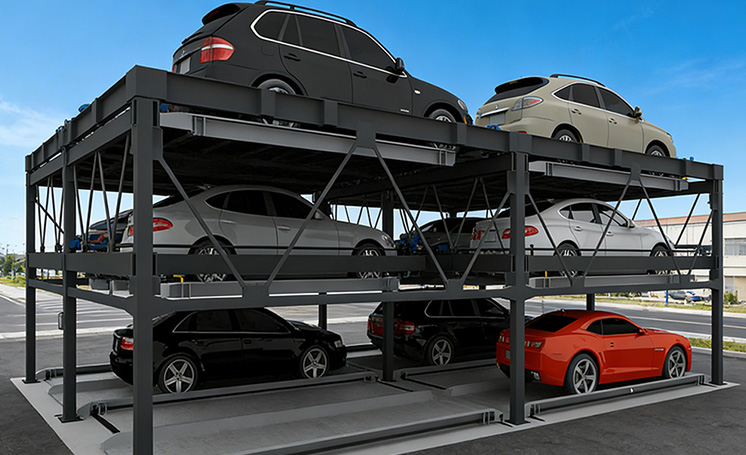
The puzzle parking system with a tandem configuration allows two cars to be parked in a single lane, with the front car automatically moved to provide easy access to the rear car. Perfect for maximizing space on narrow sites.
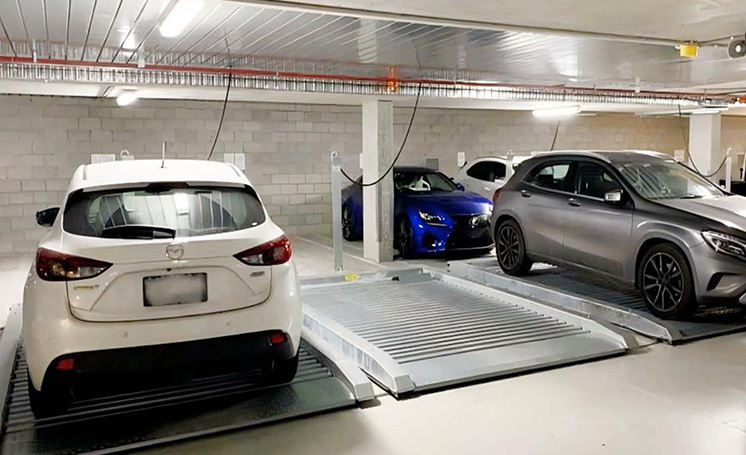
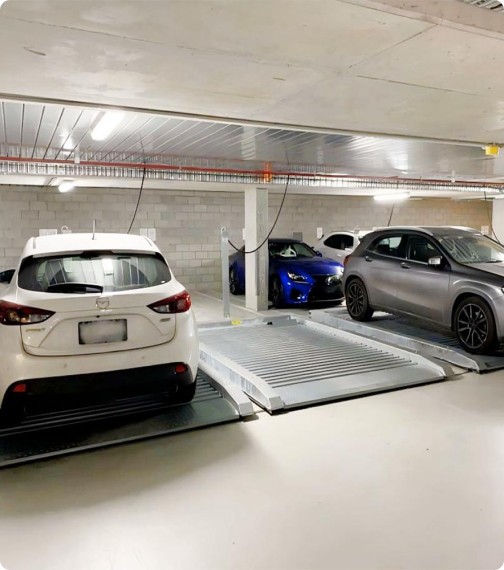
Laterally shifting parking platforms reduce driving lanes in favor of more parking spaces. The platforms run on tracks in front of conventional parking spots, arranged in 2- or 3-row layouts. One empty space per row provides access to the selected parking spot.
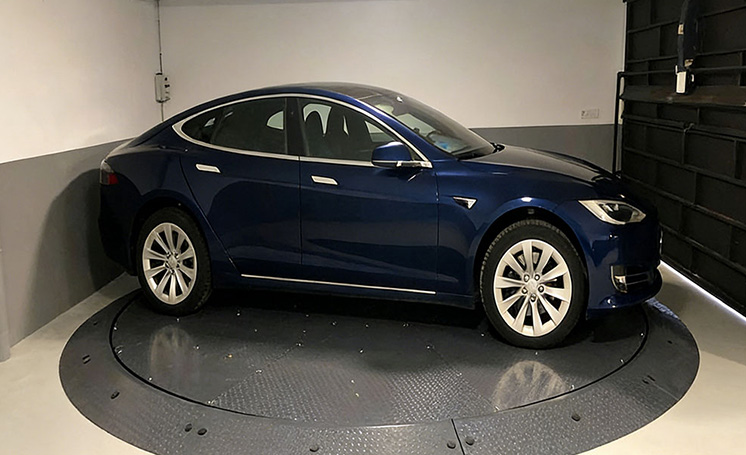
The car rotating turntable allows vehicles to be turned 180° or 360° for easy entry and exit. It is ideal for tight spaces, garages, or driveways where turning the car manually is difficult, improving convenience and safety.
Our puzzle parking systems include advanced safety features to ensure a secure and reliable parking experience:
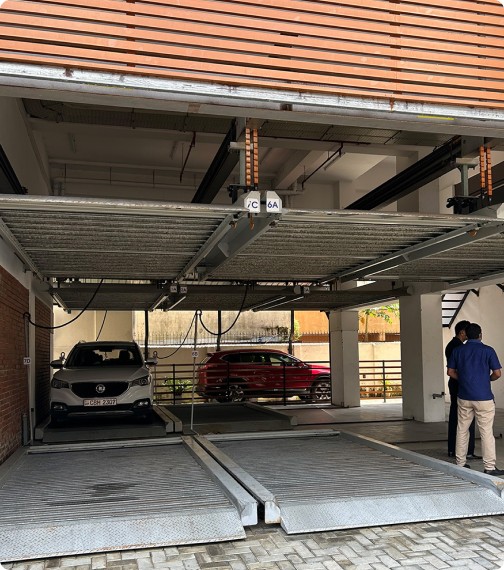
Ensure the pallet is correctly positioned every time.
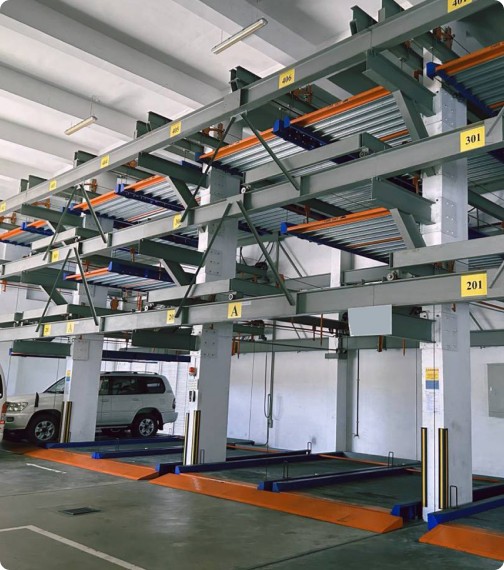
Automatically stops the system if a vehicle exceeds platform length.
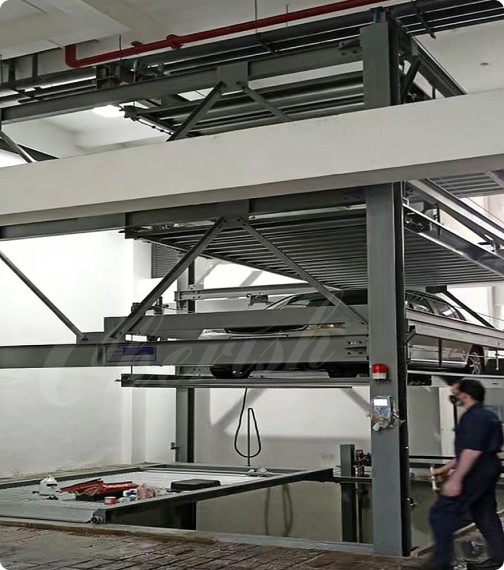
Provides extra protection to prevent accidental drops.
Notify users during gate and platform operations.
Immediately stop movement if an obstruction is detected.

fits various architectural needs

lower cost per space


no parking attendant needed
The driver brings the vehicle to the entrance of the puzzle parking system.
Using a button or access card, the user requests a parking platform. The system automatically brings the platform to ground level.
Once the platform is correctly positioned, the safety gate opens and the driver drives the vehicle onto the platform.
The driver exits and locks the vehicle, leaves the parking area, and confirms the parking process at the control panel.
After confirmation, the system automatically transfers the vehicle to its designated parking space within the puzzle parking system.
The driver swipes the access card at the control panel to request vehicle retrieval.
The system automatically retrieves the vehicle from storage and brings it to the loading position at the entrance.
The driver enters the vehicle, starts the engine, and drives away.
Puzzle parking offers multiple advantages for building owners. It maximizes parking capacity within limited space, increases property value through innovative parking solutions, and reduces the need for extensive excavation or additional construction. At the same time, it provides residents or tenants with a convenient, efficient, and modern parking experience.
Yes. While the initial investment may be higher than conventional parking garages, puzzle parking systems are cost-effective over the long term. By maximizing parking capacity within a smaller footprint, they help reduce land and construction costs, increase revenue potential, and lower ongoing maintenance expenses.
Absolutely. Puzzle parking systems are highly customizable and can be tailored to meet specific project needs. Options include accommodating different vehicle sizes, integrating EV charging stations, and adapting layouts or finishes to match architectural and aesthetic requirements.
Puzzle parking systems are equipped with multiple safety features to ensure reliable operation, including safety locking mechanisms, limit switches, photo sensors, visual and audible alarms, emergency stop buttons, and over-length protection for both self-parking and in-ground units.
No.1038 Zhaizishan Road, Huangdao District,Qingdao, China
+86 532 85189818
Copyright © 2025 Qingdao Cherish Parking Equipment Co., Ltd. All Rights Reserved. Powered By Hicheng

